Abstract
Resveratrol, a bioactive stilbene polyphenol predominantly found in grapes and berries, has demonstrated potential anti-inflammatory activity through SIRT1 activation and suppression of NF-κB-mediated transcription. This systematic review and meta-analysis are targeted to evaluate the impact of resveratrol supplementation on inflammatory biomarkers in human subjects. Nine randomized controlled trials (RCTs) were identified, examining changes in high-sensitivity C-reactive protein (hs-CRP), conventional C-reactive protein (CRP), and interleukin-6 (IL-6). Quantitative synthesis included data from seven studies for hs-CRP (n = 338), four studies for CRP (n = 176), and eight studies for IL-6 (n = 370). Pooled effect sizes indicated no statistically significant modulation of inflammatory markers following resveratrol intervention: hs-CRP (Cohen’s d = –0.15; 95% CI: –0.56 to 0.25; p = 0.46), CRP (Cohen’s d = –0.28; 95% CI: –0.74 to 0.18; p = 0.23), and IL-6 (Cohen’s d = 0.22; 95% CI: –0.58 to 1.02; p = 0.60). Select trials reported favorable outcomes at higher dosages or the presence of comorbid conditions. The aggregated findings do not support a consistent anti-inflammatory effect of resveratrol across heterogeneous populations. These results highlight the necessity for future trials with robust methodological designs.
Keywords: Resveratrol, Sirtuin 1, Systemic Inflammation, hs-CRP, CRP, IL-6, Cytokine Regulation, NF-κB, Polyphenols, Aging Biology, Meta-Analysis
Introduction
“Inflammaging” is referred to as the phenomenon of chronic, low-grade systemic inflammation that progresses with age [1]. Resveratrol exerts its metabolic and anti-inflammatory effects, in part, by activating the NAD⁺-dependent deacetylase SIRT1, thereby enhancing mitochondrial function and cellular stress resistance [2]. Sirtuin 1 (SIRT1) is an enzyme dependent on oxidized Nicotinamide Adenine Dinucleotide (NAD+), that plays an important role in preserving cellular homeostasis by regulating pathways involved in inflammation, stress resistance, metabolism, and longevity[3]. SIRT 1 operates its regulatory functions by removing acetyl groups from transcription factors like p53, FOXO, and the p65 subunit of NF-κB. This alters their activity under conditions of metabolic and/or oxidative stress [4]. SIRT1 physically interacts with the RelA/p65 subunit of NF-κB and inhibits its transcriptional activity by deacetylating Lys310, which results in reduced expression of target genes such as TNF-α and IL-6 [5]. This mechanism highlights SIRT1’s protective role in reducing chronic inflammation, a key feature associated with aging and various metabolic or cardiovascular disorders [6].
Resveratrol is known for its antioxidant, anti-inflammatory, and anti-aging properties [7]. One of the most well-characterized molecules it targets is SIRT1. Resveratrol allosterically activates SIRT1, enhancing its deacetylase activity [2]. Resveratrol mimics caloric restriction, a known stimulator of SIRT1, and provides protective effects against metabolic and age-related diseases [8]. Activation of SIRT1 by resveratrol results in suppressed NF-κB signaling, reduced expression of inflammatory mediators (e.g., TNF-α, IL-6), and decreased production of C-reactive protein (CRP) [9]. C-reactive protein (CRP) is an acute-phase protein synthesized by hepatocytes in response to pro-inflammatory cytokines, particularly interleukin-6 (IL-6) [10]. Elevated circulating CRP concentration serves as a sensitive and nonspecific biomarker of chronic low-grade systemic inflammation. This is a characteristic feature of inflammaging- the persistent inflammation associated with aging. This low-grade inflammation is implicated in the pathogenesis of numerous age-related disorders, including atherosclerosis, type II diabetes mellitus, neurodegenerative diseases, and frailty syndrome [11]. Pharmacological modulation of inflammatory signaling, particularly via SIRT1 activation, represents a promising strategy for attenuating CRP levels [9].
Resveratrol is a natural polyphenol with a wide range of beneficial effects, exerting its influence through several biological pathways, including the anti-inflammatory, antioxidant, and anti-aging mechanisms, among which the NF-κB signalling pathway plays a crucial role [12]. Sirtuin 1 (SIRT1) is a NADH-dependent deacetylase that is responsible for regulating cellular stress response, inflammation, and longevity [13]. Resveratrol activates SIRT1, leading to deacetylation of p65, a subunit of the NF-κB complex. This further inhibits NF-κB transcriptional activity [14]. This cascade leads to the reduction of expression of pro-inflammatory cytokines such as TNF-α, IL-6, and acute-phase proteins like CRP [15]. Tumor Necrosis Factor-alpha (TNF-α) and Interleukin-6 (IL-6) are potent proinflammatory mediators which is regulated by NF-κB, whereas C-reactive protein (CRP) is a liver-derived acute phase protein induced by IL-6 [16] [17] [9].
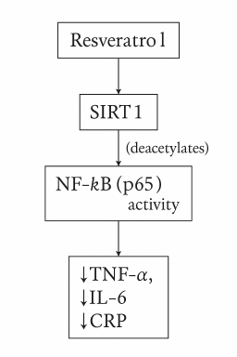
Figure 1: Proposed Mechanism of Resveratrol in Reducing Inflammatory Biomarkers via SIRT1 Activation and NF-κB Inhibition
While pre-clinical studies have demonstrated lifespan extension in model organisms (e.g., yeast, nematodes, mice), clinical data in humans remain less conclusive. This review was directed to systematically evaluate the evidence for resveratrol’s effects on biomarkers of inflammation and related health outcomes, focusing on clinical trials and key preclinical findings relevant to its anti-inflammatory potential.
Methods
This systematic review was performed to evaluate the effectiveness of resveratrol supplementation on 3 key inflammatory biomarkers: high-sensitive C-reactive protein (hs-CRP), C-reactive protein (CRP) and interleukin-6 (IL-6). We have used search engines like PubMed and Google Scholar as a resource between January 2000 and May 2025 using a combination of keywords- “resveratrol, inflammation, longevity, antioxidant, SIRT1”. We focused on randomized controlled clinical trials and meta-analysis. Initially, 162 results were narrowed down to match the broad scope of the search, and 37 were identified for full-text eligibility assessment. From these, 13 studies were included for meta-analysis based on inclusion criteria- randomized controlled design, clear reporting of treatment and control groups. After a detailed review, we ran the meta-analysis in 3 parts for each biomarker of inflammation.
- Part 1: hs-CRP (mg/L)- Data were pooled from 7 studies, comprising a total of 338 participants (treatment 169; control 169).
- Part 2: CRP (mg/dL)- Data from 4 studies were included, with a total of 202 participants (treatment 96; control 106).
- Part 3: IL-6 (pg/mL)- Analysis included 8 studies, totaling 326 participants (treatment=195; control=131).
Where available, both the mean change from baseline and standard deviations were extracted. Data were analyzed using a random-effect model to account for heterogeneity among populations and disease states. Effect sizes were reported as standardized mean differences (SMD) with 95% confidence intervals. All statistical analyses were performed using SPSS (V.29) software.
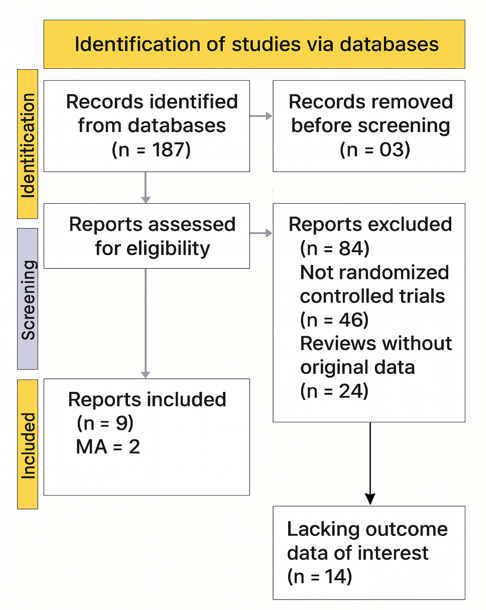
Figure 2: Flow Chart and Study Selection showing the number of articles identified and included in this study.
Results and Discussion
This meta-analysis synthesized data from thirteen randomized controlled trials (RCTs) investigating the effects of resveratrol supplementation on three key inflammatory biomarkers: high-sensitivity C-reactive protein (hs-CRP), C-reactive protein (CRP), and interleukin-6 (IL-6). The pooled analyses encompassed 338 participants for hs-CRP, 202 for CRP, and 326 for IL-6. Seven RCTs were included in the hs-CRP subgroup analysis. The aggregated effect size demonstrated a non-significant reduction in hs-CRP levels with resveratrol intervention (Cohen’s d = –0.15; 95% CI: –0.56 to 0.25; p = 0.46). Certain studies- such as those conducted by Kjaer et al. (2017) [18], Faghihzadeh et al. (2014) [19], and Brasnyo et al. (2011) [20] – reported a downward trend in hs-CRP concentrations, particularly with higher doses (≥500 mg/day). Other investigations (e.g., Mahjabeen et al., 2022 [21]; Poulsen et al., 2013 [22]) noted either no change or paradoxical increases. These discrepancies may reflect heterogeneity in participant inflammatory baselines, duration of therapy, pharmacokinetics of resveratrol, or variations in bioavailability.
The CRP analysis included four RCTs. The pooled effect estimate indicated a small, yet statistically non-significant reduction in CRP levels following supplementation (Cohen’s d = –0.28; 95% CI: –0.74 to 0.18; p = 0.23). In particular, Garcia-Martinez et al. (2023) [23] demonstrated CRP-lowering effects concomitant with enhanced total antioxidant capacity in both 500 mg and 1000 mg dosing arms. In contrast, Yoshino et al. (2012) [24] reported an elevation in CRP concentrations. The variability in outcomes may be attributable to divergent metabolic phenotypes among participants or dose-response interactions, potentially reflective of hormetic mechanisms.
Eight RCTs were incorporated into the IL-6 analysis. The meta-analysis revealed no statistically significant alteration in IL-6 levels associated with resveratrol administration (Cohen’s d = 0.22; 95% CI: –0.58 to 1.02; p = 0.60). Trials by Khodabandehloo et al. (2018) [25] and Faghihzadeh et al. (2014) [19] observed appreciable decreases in IL-6. Other studies, such as those by Mahjabeen et al. (2022) [21] and Yoshino et al. (2012) [24], reported increased cytokine levels post-intervention. Notably, Kjaer et al. (2017) [18] identified a dose-responsive trend- wherein a lower dose (500 mg/day) led to an elevation in IL-6, while a higher dose (1000 mg/day) was associated with a reduction. This suggests the possibility of a non-linear, threshold-mediated cytokine regulatory effect by resveratrol.
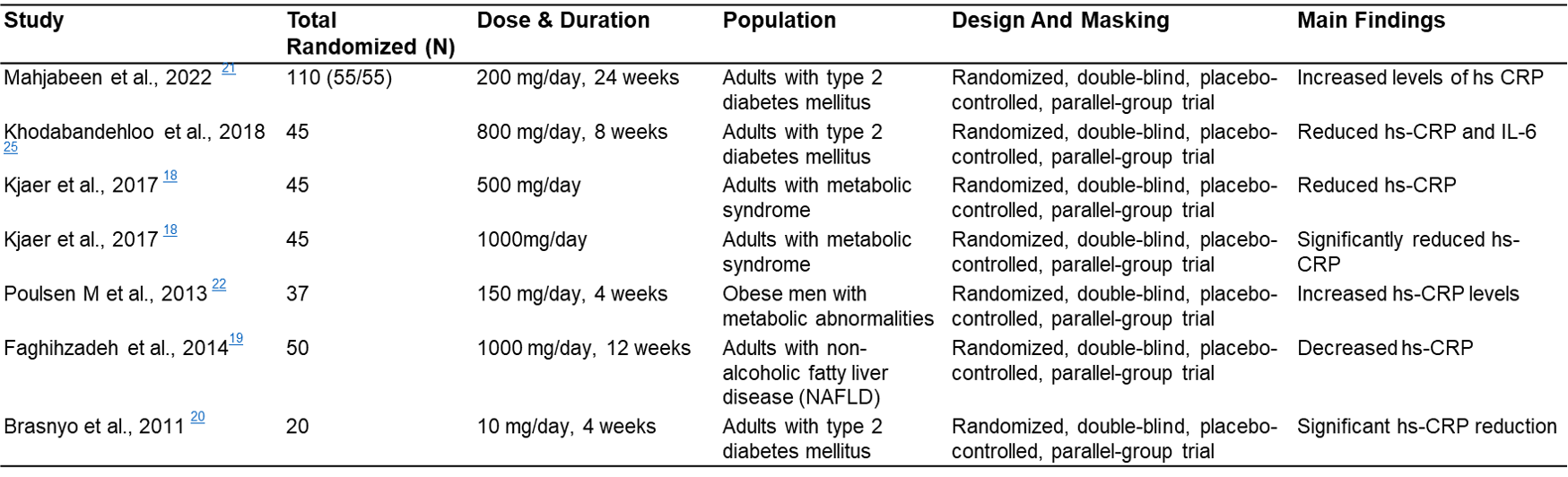
Table 1: Study Designs and Outcomes of the Systematic Review Trials for hs-CRP [21] [25][18] [22][19] [20]
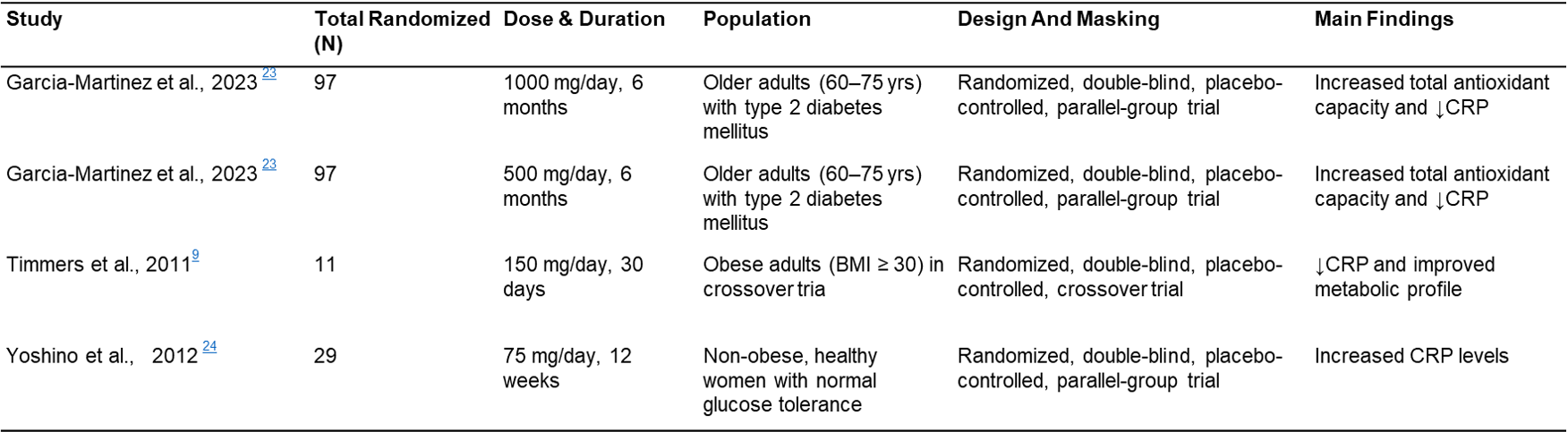
Table 2: Study Designs and Outcomes of the Systematic Review Trials for CRP [23][9][24]
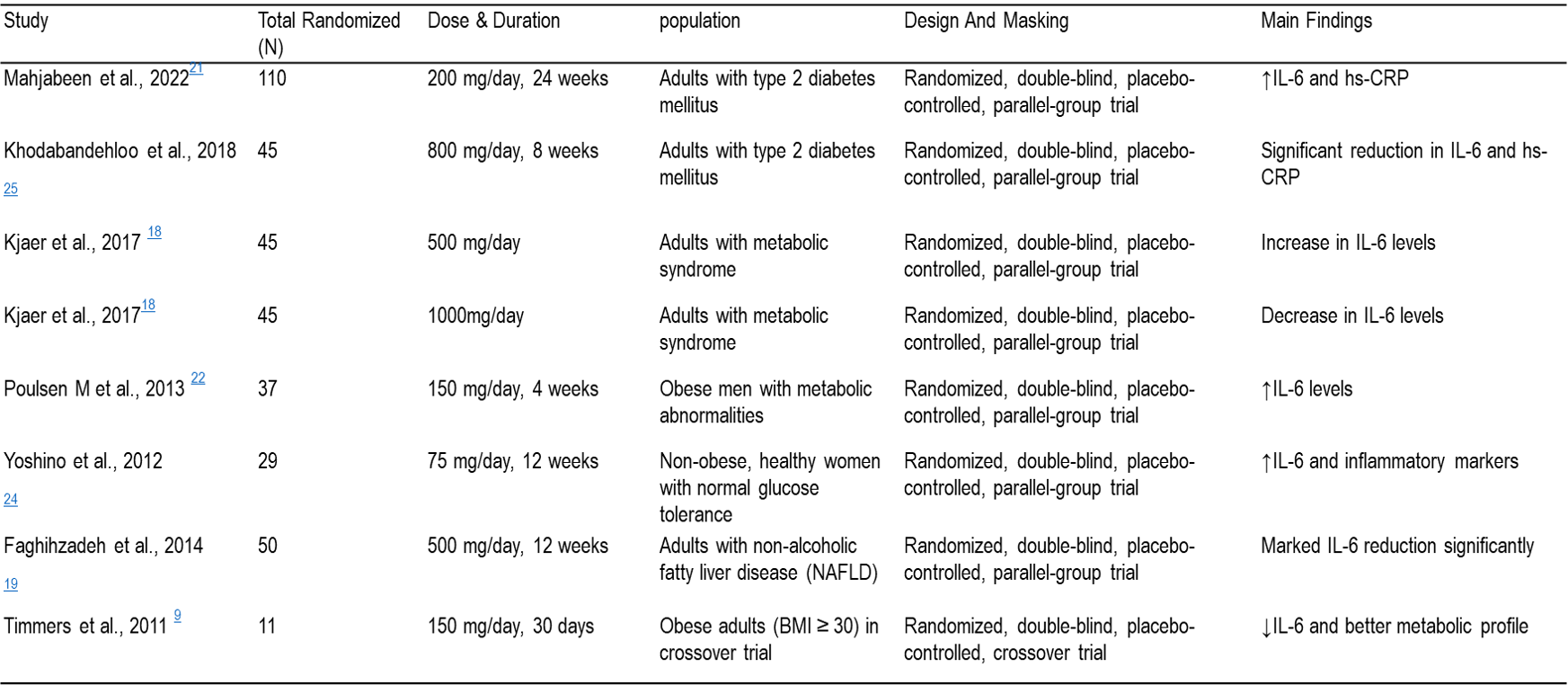
Table 3: Study Designs and Outcomes of the Systematic Review Trials for IL-6 [21] [25][18][18][22][24][19][9]
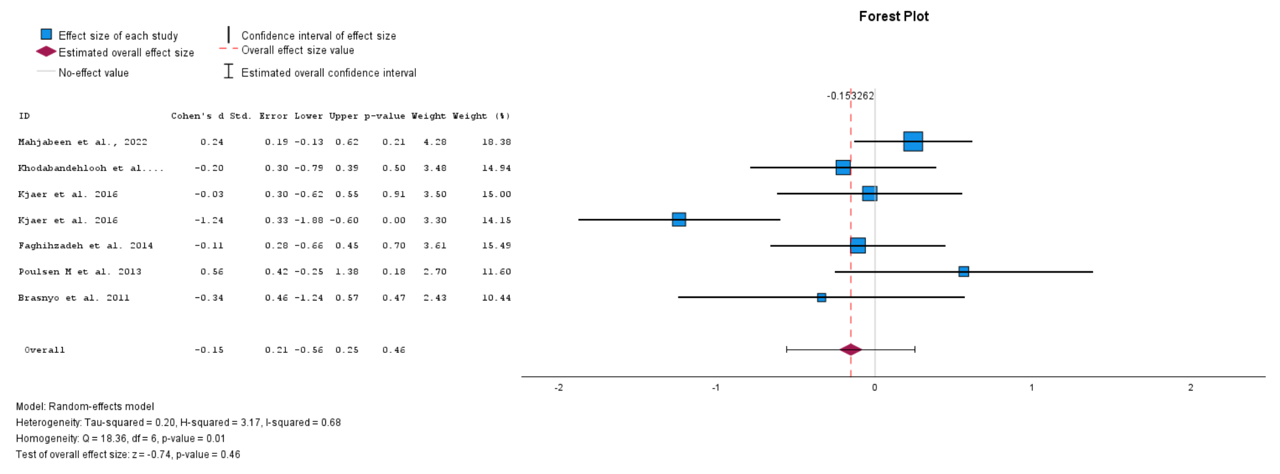
Figure 3: Forest Plot (Resveratrol vs. Control): MA on hs-CRP level (Random-Effects Model).
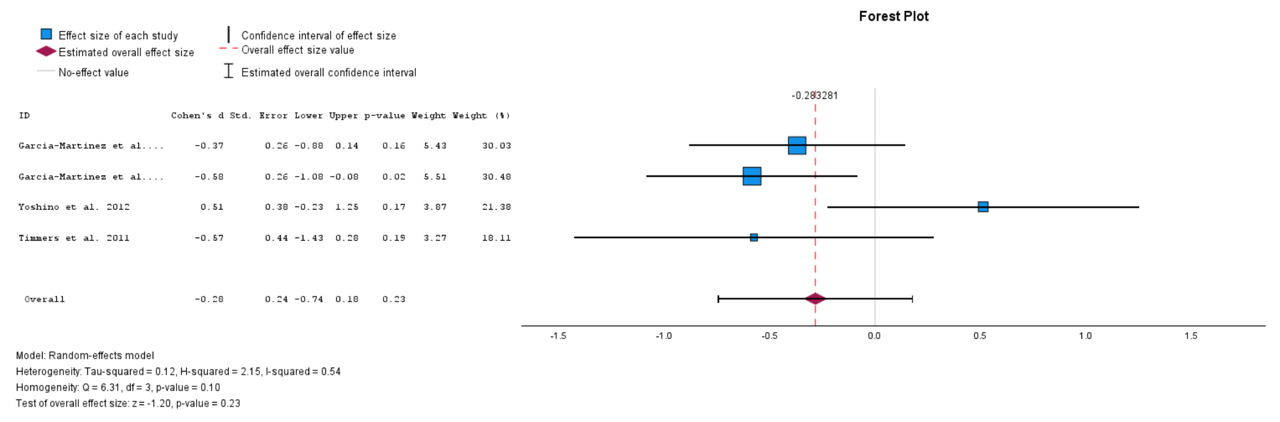
Figure 4: Forest Plot (Resveratrol vs. Control): MA on CRP level (Random-Effects Model).
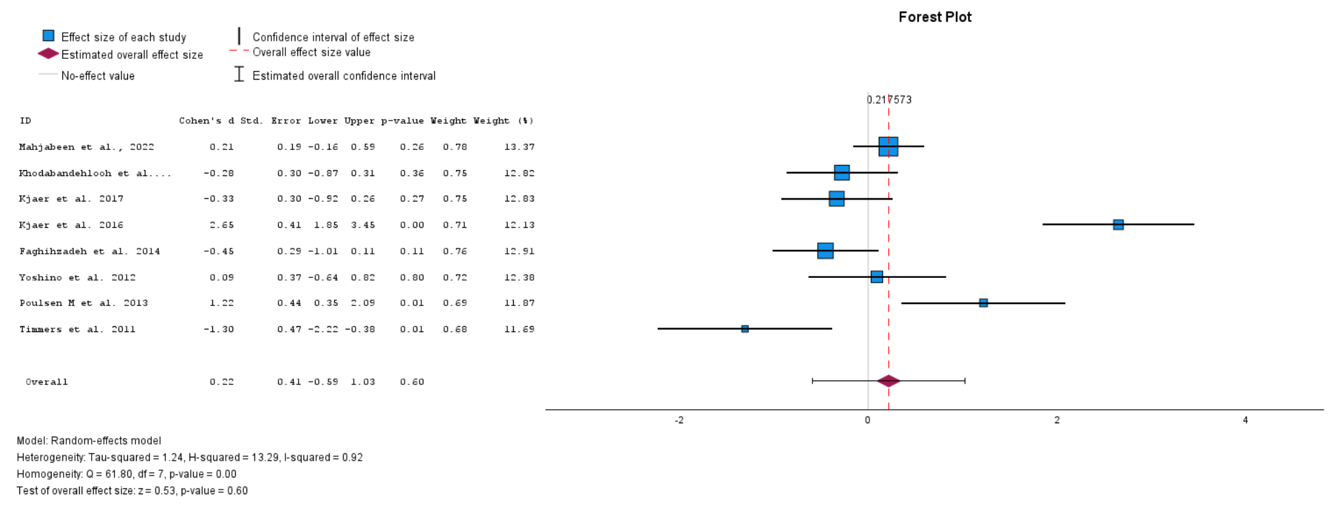
Figure 5: Forest Plot (Resveratrol vs. Control): MA on IL-6 level (Random-Effects Model).
Limitations
This meta-analysis has several limitations. First, there was significant heterogeneity across studies in terms of resveratrol dosage, treatment duration, and participant health status, which may have influenced biomarker outcomes. Second, the sample sizes in several trials were small, reducing statistical power and generalizability. Third, variations in assay methods and biomarker reporting limited uniform data extraction. Finally, the short duration of most studies may not capture the long-term inflammatory effects of resveratrol supplementation.
Conclusion
This meta-analysis evaluating the anti-inflammatory effects of resveratrol supplementation yielded statistically non-significant outcomes across all three biomarkers: hs-CRP (Cohen’s d = –0.15, p = 0.46), CRP (Cohen’s d = –0.28, p = 0.23), and IL-6 (Cohen’s d = 0.22, p = 0.60). However, heterogeneity in study outcomes was observed, with some trials reporting favorable effects at higher dosages or in specific subpopulations. These findings suggest that resveratrol may exert context-dependent or dose-dependent effects on systemic inflammation. Overall, larger, rigorously designed RCTs with standardized dosing protocols, sufficient treatment duration, and stratified participant profiles are necessary to elucidate the therapeutic potential of resveratrol. Future research should prioritize trials with clearly defined inflammatory endpoints and controlled baseline characteristics to better clarify its role in inflammation-mediated aging and chronic disease management.
Acknowledgement
The author gratefully acknowledges the valuable contributions of Dr. Randy Mullins, Associate Professor and Chair of the Department, and Dr. Angie Mutter, Director of Student Success and Career Planning at the Appalachian College of Pharmacy, for their expert review and comprehensive editorial support, which greatly enhanced the quality and clarity of this article.
Conflict of Interest
The authors declare no conflicts of interest.
References
- Franceschi C, Campisi J. Chronic Inflammation (Inflammaging) and Its Potential Contribution to Age-Associated Diseases. J Gerontol Ser A. 2014;69(Suppl_1):S4-S9. doi:10.1093/gerona/glu057
- Lagouge M, Argmann C, Gerhart-Hines Z, et al. Resveratrol Improves Mitochondrial Function and Protects against Metabolic Disease by Activating SIRT1 and PGC-1α. Cell. 2006;127(6):1109-1122. doi:10.1016/j.cell.2006.11.013
- Guarente L. Sirtuins, Aging, and Medicine. N Engl J Med. 2011;364(23):2235-2244. doi:10.1056/NEJMra1100831
- Haigis MC, Sinclair DA. Mammalian Sirtuins: Biological Insights and Disease Relevance. Annu Rev Pathol Mech Dis. 2010;5(Volume 5, 2010):253-295. doi:10.1146/annurev.pathol.4.110807.092250
- Modulation of NF‐κB‐dependent transcription and cell survival by the SIRT1 deacetylase | The EMBO Journal. Accessed July 19, 2025. https://www.embopress.org/doi/full/10.1038/sj.emboj.7600244
- Resveratrol induces mitochondrial biogenesis in endothelial cells | American Journal of Physiology-Heart and Circulatory Physiology | American Physiological Society. Accessed July 19, 2025. https://journals.physiology.org/doi/full/10.1152/ajpheart.00368.2009
- Baur JA, Sinclair DA. Therapeutic potential of resveratrol: the in vivo evidence. Nat Rev Drug Discov. 2006;5(6):493-506. doi:10.1038/nrd2060
- Baur JA, Pearson KJ, Price NL, et al. Resveratrol improves health and survival of mice on a high-calorie diet. Nature. 2006;444(7117):337-342. doi:10.1038/nature05354
- Timmers S, Konings E, Bilet L, et al. Calorie Restriction-like Effects of 30 Days of Resveratrol Supplementation on Energy Metabolism and Metabolic Profile in Obese Humans. Cell Metab. 2011;14(5):612-622. doi:10.1016/j.cmet.2011.10.002
- Gabay C, Kushner I. Acute-Phase Proteins and Other Systemic Responses to Inflammation. N Engl J Med. 1999;340(6):448-454. doi:10.1056/NEJM199902113400607
- Franceschi C, Garagnani P, Parini P, Giuliani C, Santoro A. Inflammaging: a new immune–metabolic viewpoint for age-related diseases. Nat Rev Endocrinol. 2018;14(10):576-590. doi:10.1038/s41574-018-0059-4
- Baur JA, Sinclair DA. Therapeutic potential of resveratrol: the in vivo evidence. Nat Rev Drug Discov. 2006;5(6):493-506. doi:10.1038/nrd2060
- Guarente L. Sirtuins, Aging, and Medicine. N Engl J Med. 2011;364(23):2235-2244. doi:10.1056/NEJMra1100831
- Chemopreventive Properties of trans-Resveratrol Are Associated with Inhibition of Activation of the IκB Kinase1 | Cancer Research | American Association for Cancer Research. Accessed July 20, 2025. https://aacrjournals.org/cancerres/article/60/13/3477/506408/Chemopreventive-Properties-of-trans-Resveratrol
- Yeung F, Hoberg JE, Ramsey CS, et al. Modulation of NF-κB-dependent transcription and cell survival by the SIRT1 deacetylase. EMBO J. 2004;23(12):2369-2380. doi:10.1038/sj.emboj.7600244
- Csiszar A. Anti-inflammatory effects of resveratrol: possible role in prevention of age-related cardiovascular disease. Ann N Y Acad Sci. 2011;1215:117-122. doi:10.1111/j.1749-6632.2010.05848.x
- Akhondzadeh F, Astani A, Najjari R, et al. Resveratrol suppresses interleukin-6 expression through activation of sirtuin 1 in hypertrophied H9c2 cardiomyoblasts. J Cell Physiol. 2020;235(10):6969-6977. doi:10.1002/jcp.29592
- Kjær TN, Ornstrup MJ, Poulsen MM, et al. No Beneficial Effects of Resveratrol on the Metabolic Syndrome: A Randomized Placebo-Controlled Clinical Trial. J Clin Endocrinol Metab. 2017;102(5):1642-1651. doi:10.1210/jc.2016-2160
- Faghihzadeh F, Adibi P, Rafiei R, Hekmatdoost A. Resveratrol supplementation improves inflammatory biomarkers in patients with nonalcoholic fatty liver disease. Nutr Res. 2014;34(10):837-843. doi:10.1016/j.nutres.2014.09.005
- Brasnyó P, Molnár GA, Mohás M, et al. Resveratrol improves insulin sensitivity, reduces oxidative stress and activates the Akt pathway in type 2 diabetic patients. Br J Nutr. 2011;106(3):383-389. doi:10.1017/S0007114511000316
- Mahjabeen W, Khan DA, Mirza SA. Role of resveratrol supplementation in regulation of glucose hemostasis, inflammation and oxidative stress in patients with diabetes mellitus type 2: A randomized, placebo-controlled trial. Complement Ther Med. 2022;66:102819. doi:10.1016/j.ctim.2022.102819
- High-Dose Resveratrol Supplementation in Obese Men | Diabetes | American Diabetes Association. Accessed July 20, 2025. https://diabetesjournals.org/diabetes/article/62/4/1186/17546/High-Dose-Resveratrol-Supplementation-in-Obese
- García-Martínez BI, Ruiz-Ramos M, Pedraza-Chaverri J, Santiago-Osorio E, Mendoza-Núñez VM. Effect of Resveratrol on Markers of Oxidative Stress and Sirtuin 1 in Elderly Adults with Type 2 Diabetes. Int J Mol Sci. 2023;24(8):7422. doi:10.3390/ijms24087422
- Yoshino J, Conte C, Fontana L, et al. Resveratrol Supplementation Does Not Improve Metabolic Function in Nonobese Women with Normal Glucose Tolerance. Cell Metab. 2012;16(5):658-664. doi:10.1016/j.cmet.2012.09.015
- Khodabandehloo H, Seyyedebrahimi S, Esfahani EN, Razi F, Meshkani R. Resveratrol supplementation decreases blood glucose without changing the circulating CD14+CD16+ monocytes and inflammatory cytokines in patients with type 2 diabetes: a randomized, double-blind, placebo-controlled study. Nutr Res. 2018;54:40-51. doi:10.1016/j.nutres.2018.03.015
The Anti-Inflammatory Potential of Resveratrol: A Meta-Analysis of hs-CRP, CRP, and IL-6 in Human Trials © 2026 by Anim et al is licensed under Attribution 4.0 International 

Note
Place of Publication: PSciP Publishing LLC, Oakwood, VA, USA.